Complete Details
Add accurate student and course information.
Courses → Portfolio Preparation
NCA • PIFD • Creative Universities
Build work that shows how you think.
A personalised preparation programme for students applying to fashion, textile, fine arts, visual communication, architecture, interior design, and other creative disciplines.
Assessment BasedIndividual Programme Plan
NCA & PIFDEntry-Test Preparation
PersonalisedPortfolio Guidance
ENTRYREADYPortfolio • Test • Interview
Fashion Design✦Textile Design✦Fine Arts✦Visual Communication✦Architecture✦Interior Design✦
Fashion Design✦Textile Design✦Fine Arts✦Visual Communication✦Architecture✦Interior Design✦
01Preparation Philosophy
More Than a Collection of Drawings
A strong portfolio reveals observation, imagination, process, development, and personal direction.
The programme begins with an assessment of the student’s current drawing, painting, creative-thinking, and presentation abilities.
The preparation plan is then developed around the intended university, chosen discipline, entry-test format, portfolio requirements, current skill level, and application deadline.
“The aim is not to make every applicant look the same. The aim is to help each applicant present a clear creative identity.”
Choose Your Discipline
Your intended programme changes what your portfolio must communicate.
Select a discipline to explore the most relevant areas of preparation.
Recommended Focus
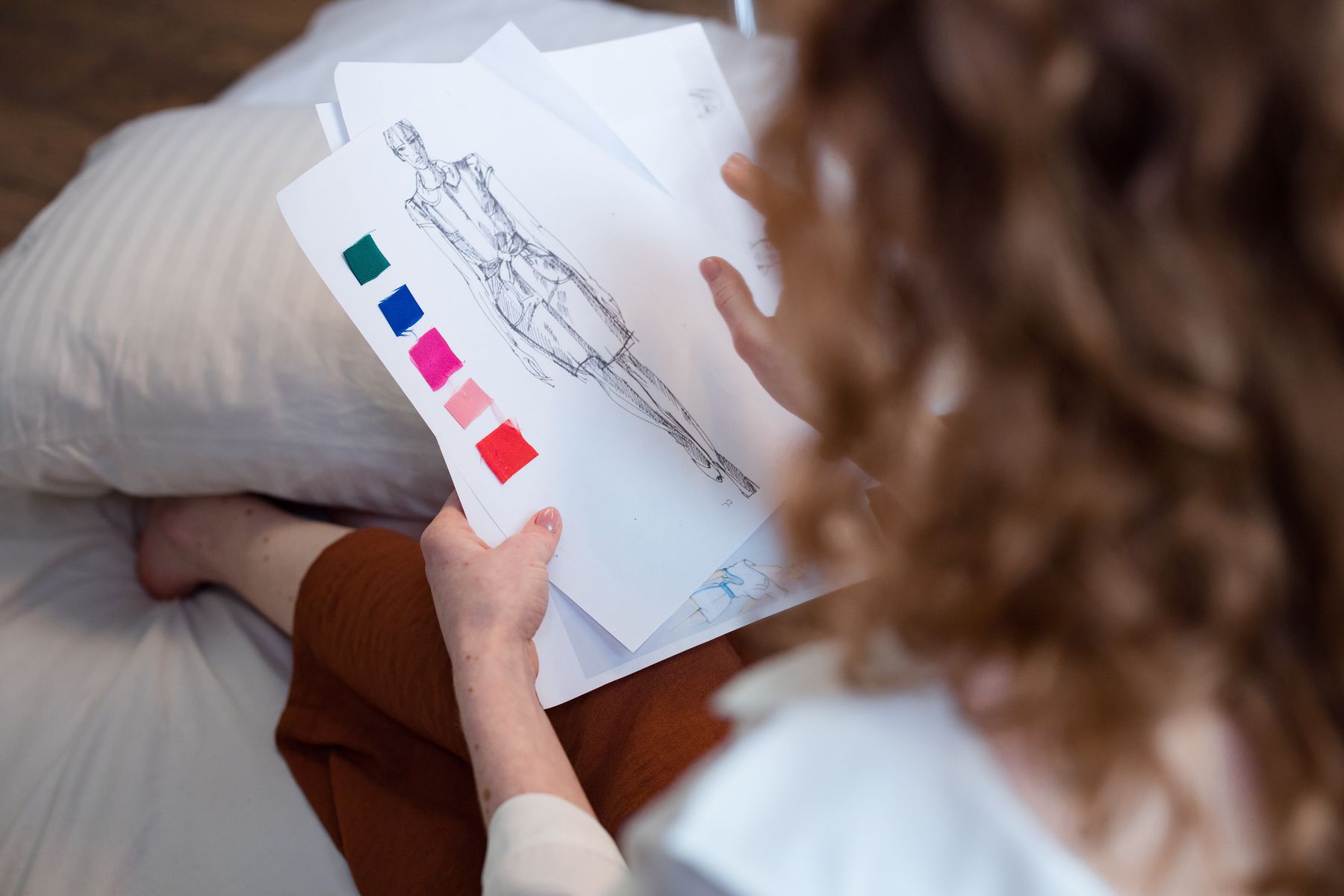
Fashion Design Portfolio
Develop fashion figures, garment concepts, colour and fabric understanding, mood boards, research, design development, and finished presentation sheets.
Fashion illustrationGarment conceptsMood boardsDesign developmentFabric awarenessPresentation sheets
Portfolio Development Process
Five stages from assessment to final presentation.
The sequence is personalised, but every applicant moves through evaluation, focused skill development, original project work, and final organisation.
01
Starting Point
Student Assessment
Review current drawing, painting, creativity, presentation, time management, and any existing portfolio work.
Outcome: strengths and gaps identified02
Direction
University Requirements
Study the intended university, discipline, entry-test expectations, application dates, and required submission format.
Outcome: personalised preparation roadmap03
Foundation
Skill Development
Complete targeted drawing, painting, illustration, perspective, composition, research, and concept-development exercises.
Outcome: stronger technical and creative control04
Original Work
Portfolio Projects
Develop original projects from research and early ideas through experiments, refinement, final outcomes, and process documentation.
Outcome: authentic portfolio content05
Submission Ready
Final Presentation
Select, organise, edit, label, sequence, and present the work as a clean, visually consistent, and personal portfolio.
Outcome: coherent admission presentationCourse Focus
The complete admissions-preparation toolkit.
Different applicants require different combinations of these areas. The assessment determines which skills need the greatest attention.
Portfolio Planning
Theme selection, project direction, submission strategy, and realistic scheduling.
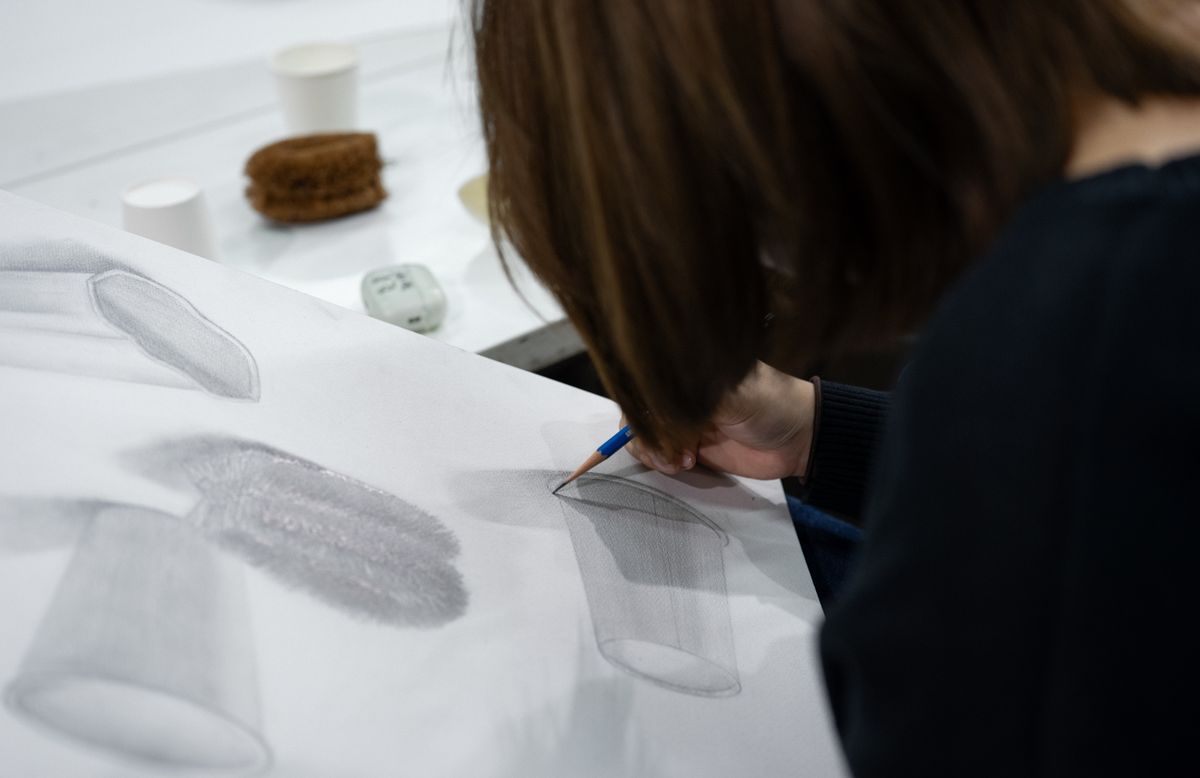
Observational Drawing
Still life, objects, proportion, tone, form, texture, and visual measurement.
Human Figure
Gesture, proportion, posture, movement, fashion figures, and expressive studies.
Perspective Drawing
Spatial understanding, one- and two-point perspective, interiors, and objects.
Creative Composition
Idea generation, visual balance, focal point, narrative, and timed creativity.
Painting & Colour
Colour theory, media control, tonal development, experimentation, and expression.
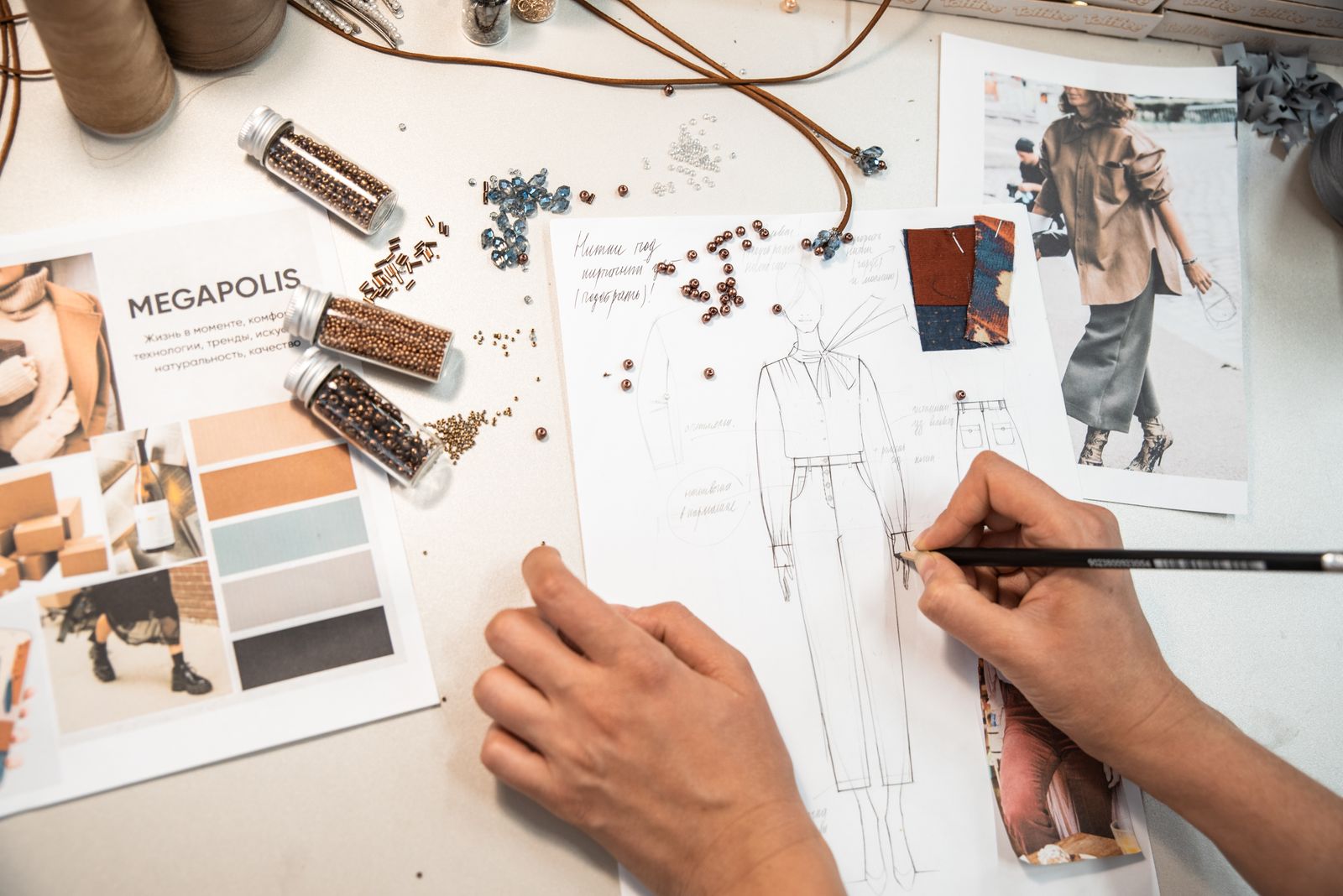
Mood & Research Boards
Visual research, references, material collection, editing, and concept communication.
Design Development
Initial concepts, alternatives, experimentation, decision-making, and refinement.
Presentation Sheets
Layout, hierarchy, annotation, spacing, titles, image selection, and consistency.
Portfolio Arrangement
Project selection, sequence, cover design, transitions, and final editing.
Personal Statement
Creative motivation, programme fit, goals, interests, and personal voice.
Interview Preparation
Discussing work, explaining process, responding confidently, and presenting ideas.
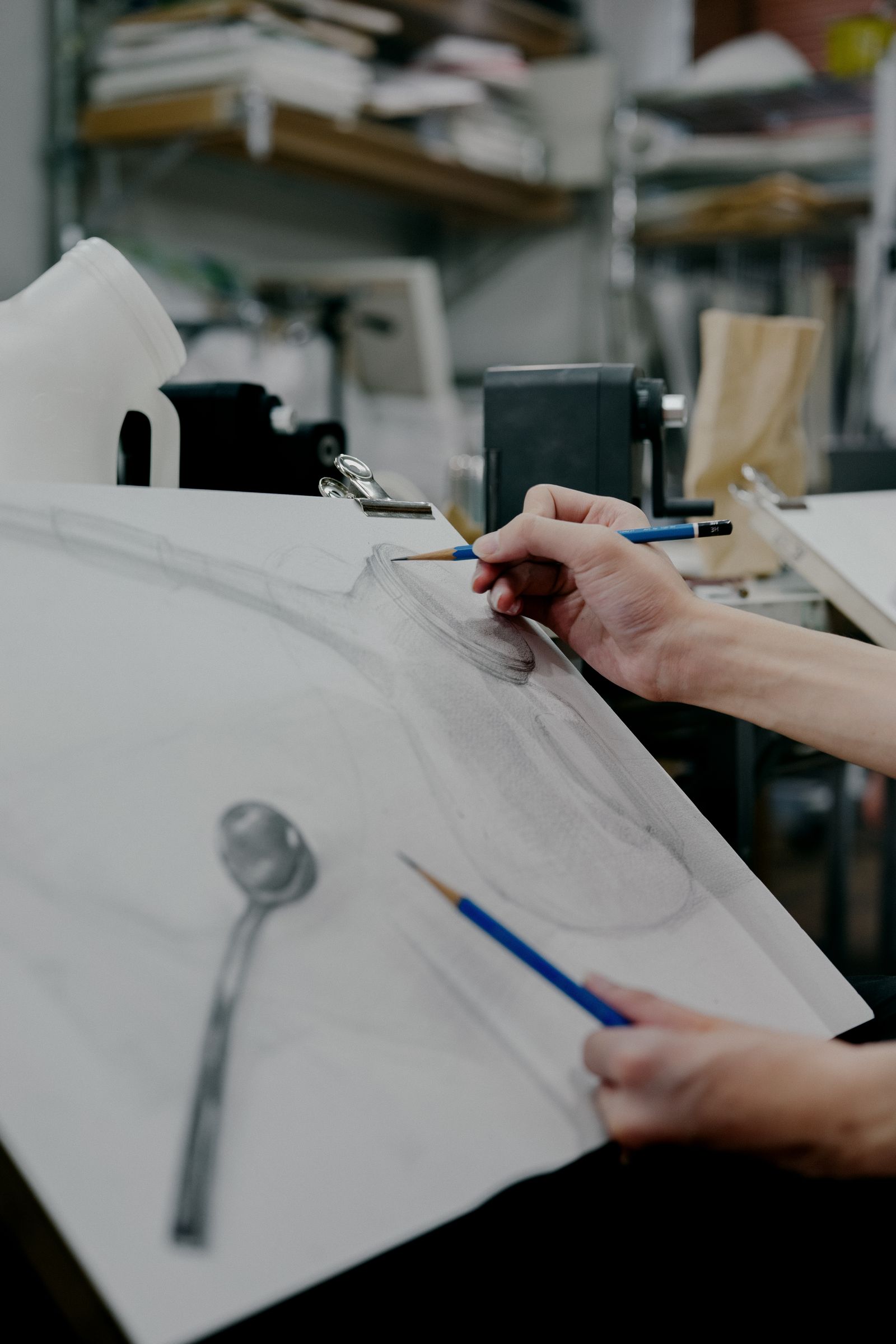
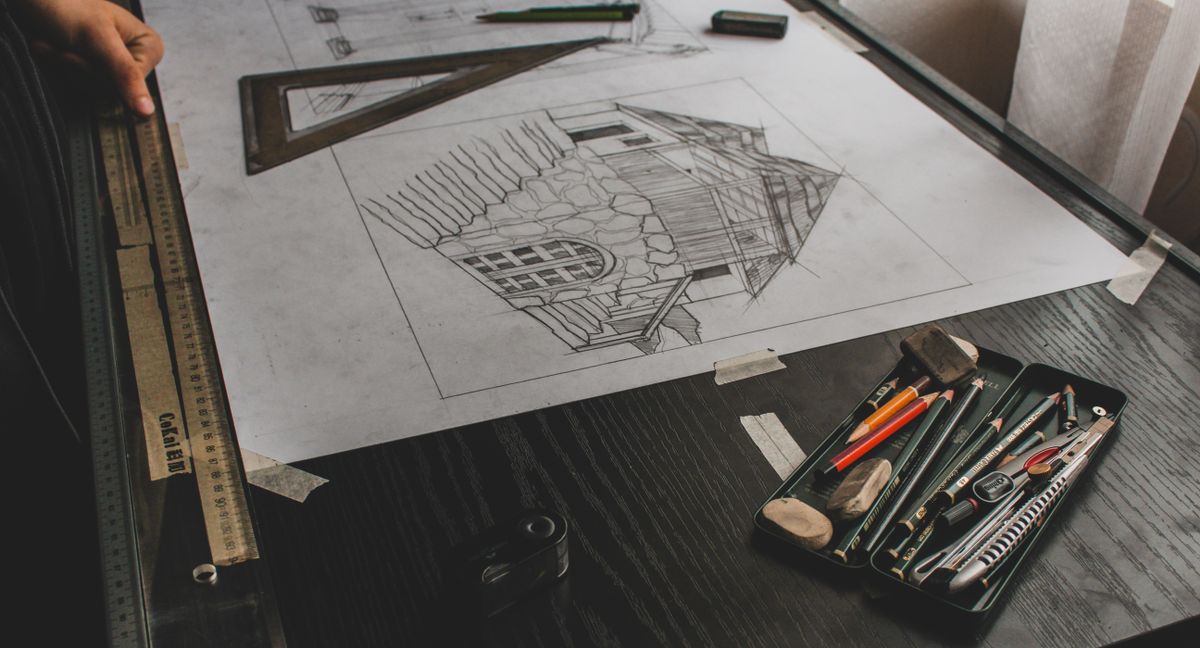
Entry-Test StudioAccuracy + Creativity + Time Control
Timed Entry-Test Practice
Learn to create under pressure without losing clarity.
Entry-test preparation is not limited to drawing accurately. Students also practise interpretation, composition, idea development, speed, decision-making, and presentation within a fixed time.
Practice Mode 01
Observational Drawing
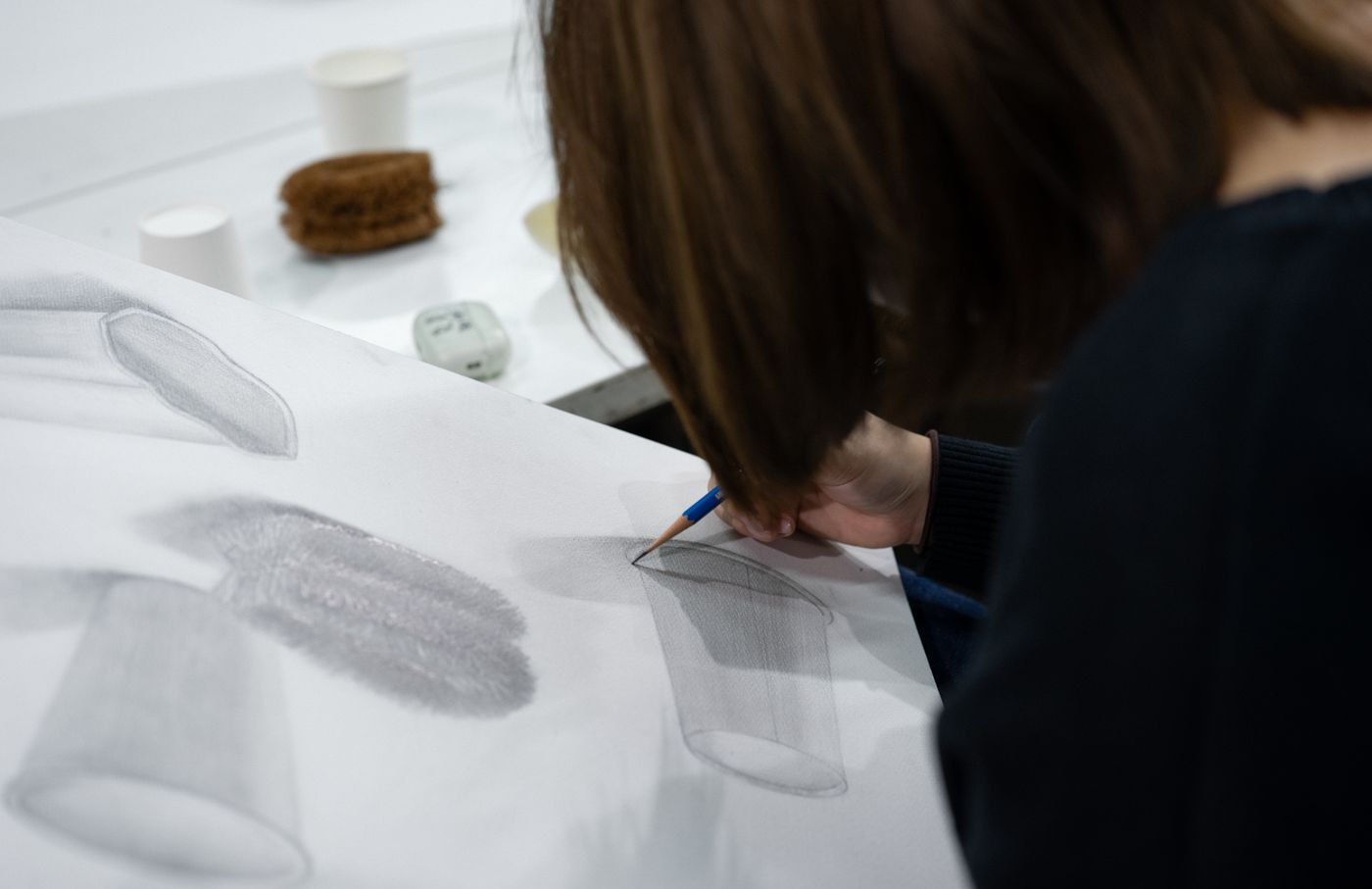
Practise proportion, placement, form, light, shadow, texture, and completion within an assigned time.
- Visual measurement
- Proportion and placement
- Tonal development
- Time allocation
Portfolio Development Preview
Research. Experiment. Develop. Present.
These images demonstrate relevant creative-process categories. Replace them gradually with genuine applicant projects and studio work.
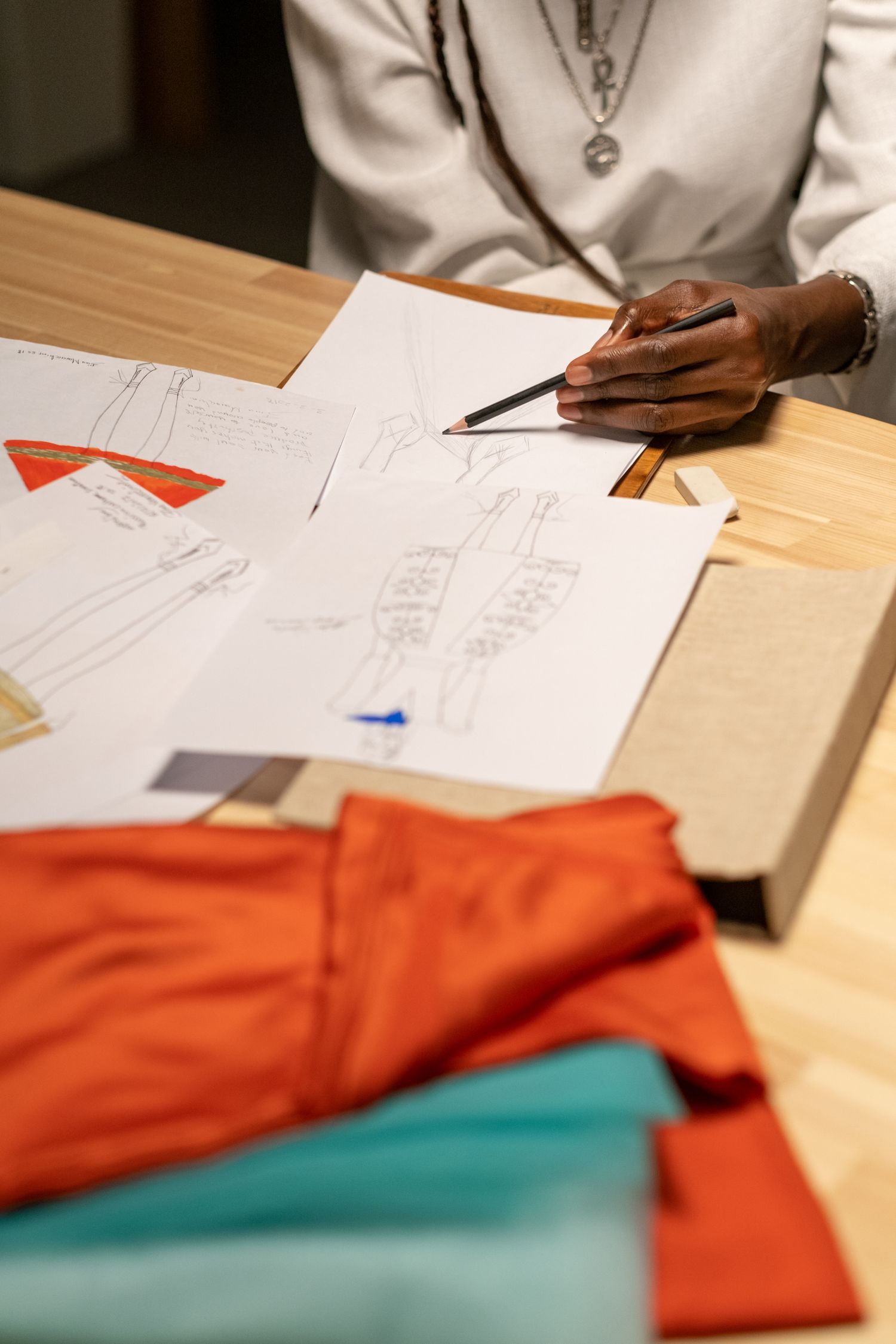
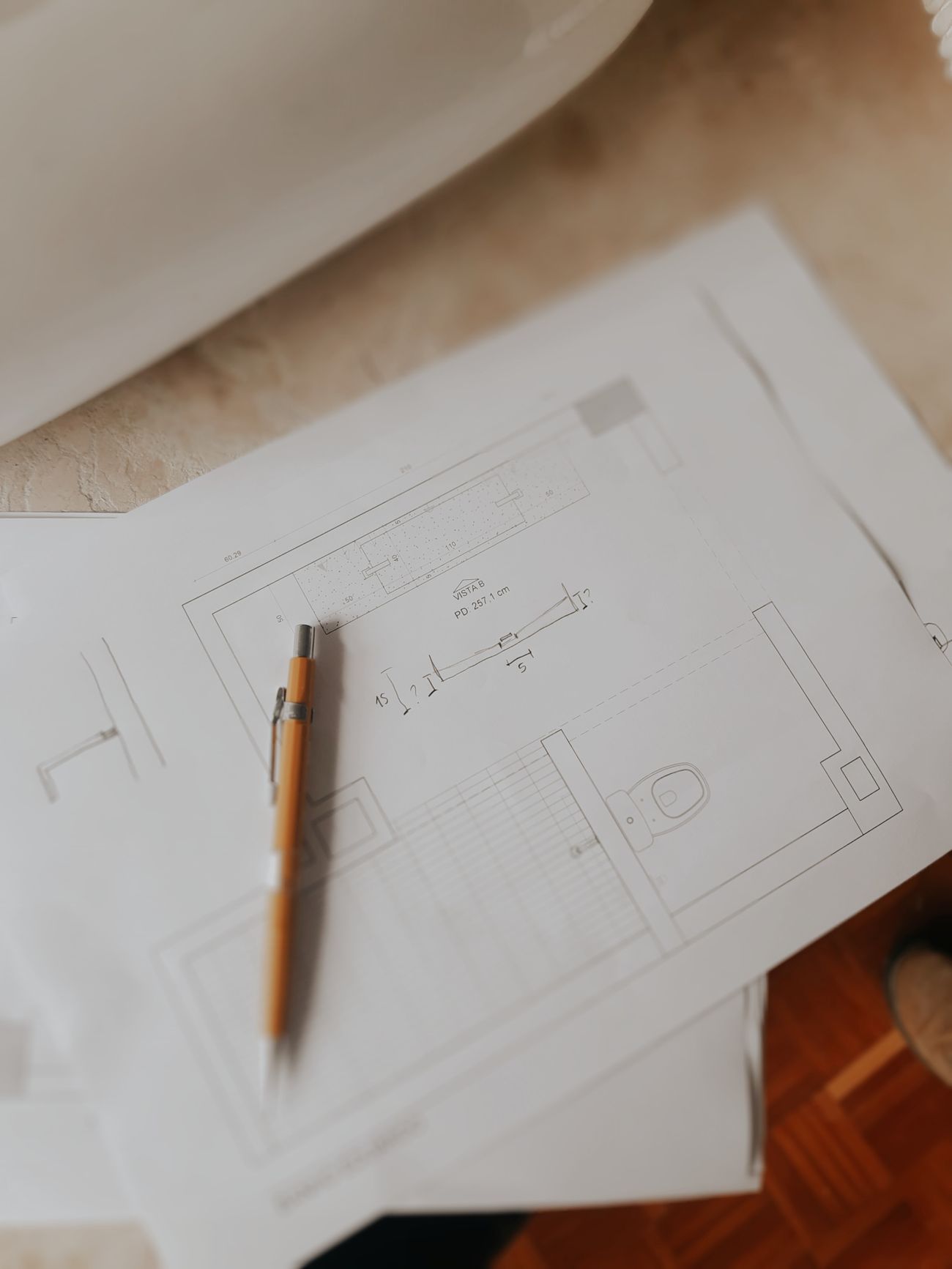
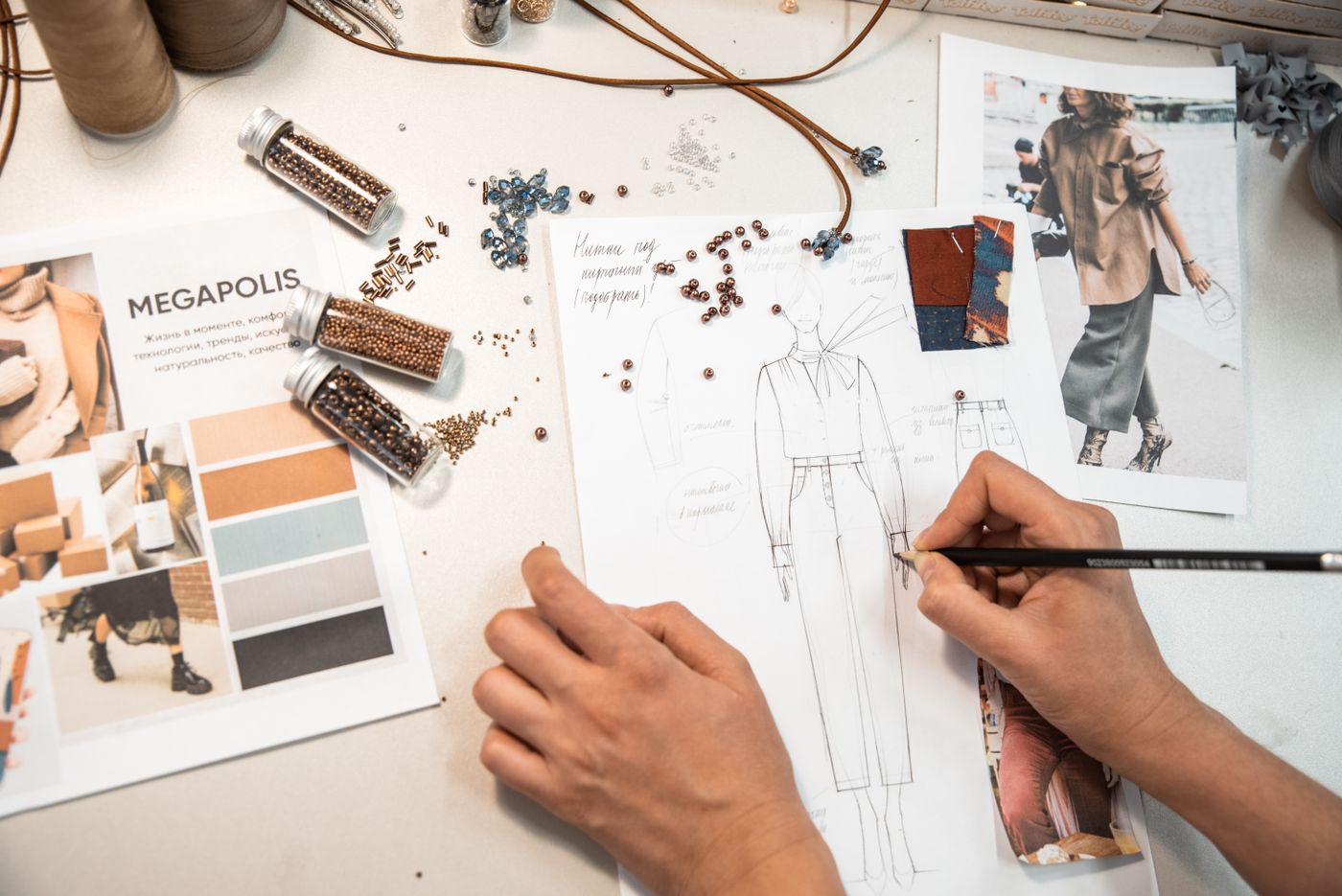
Portfolio PrincipleShow the journey, not only the final result.
Personalised Preparation
No two applicants require the same plan.
The programme structure is confirmed after reviewing the student’s present abilities, intended university, chosen discipline, entry-test date, submission deadline, and amount of work required.
Current skillsUniversity requirementsAvailable timeRequired projects
Applicant Assessment
Bring or share:
- Existing drawings, paintings, or design work
- University and intended programme
- Entry-test and submission dates
- Any portfolio instructions received
- Your goals, concerns, and available preparation time
Who Can Apply?
Support for a wide range of creative applicants.
NCA Applicants
Drawing, creativity, portfolio, entry-test, and interview preparation.
PIFD Applicants
Fashion, textile, visual research, development, and presentation support.
Fashion & Textile
Concept, illustration, colour, material, surface, and design-development work.
Fine Arts
Observation, composition, painting, experimentation, and personal expression.
Visual Communication
Idea generation, visual storytelling, hierarchy, layout, and communication.
Architecture & Interior
Perspective, spatial thinking, structure, objects, interiors, and presentation.
Frequently Asked Questions
Before you apply.
The assessment helps the studio understand the student’s exact preparation needs.
No. Students may apply with no completed portfolio. Any existing drawings or creative work are useful for assessing the current level.
No. Preparation is planned according to the university, intended discipline, present skill level, deadlines, and required portfolio work.
Yes. Relevant applicants practise observational drawing, composition, perspective, creative responses, and time-based exercises.
Yes. Students can practise discussing their work, explaining their process, describing their interests, and answering admission questions.
Earlier preparation provides more time for skill development and original projects. Applicants with short deadlines may require a more intensive plan.
Complete the applicant form and continue to WhatsApp. Share your university, programme, deadline, and any existing work so an assessment can be arranged.
University Admissions Preparation
Your portfolio should feel like your work.
Begin with an assessment and receive a preparation plan shaped around your intended university, programme, present skills, and deadline.